States Likely to Ban Sweepstakes Casinos in 2026: Pending Bills and What to Expect
 Available in US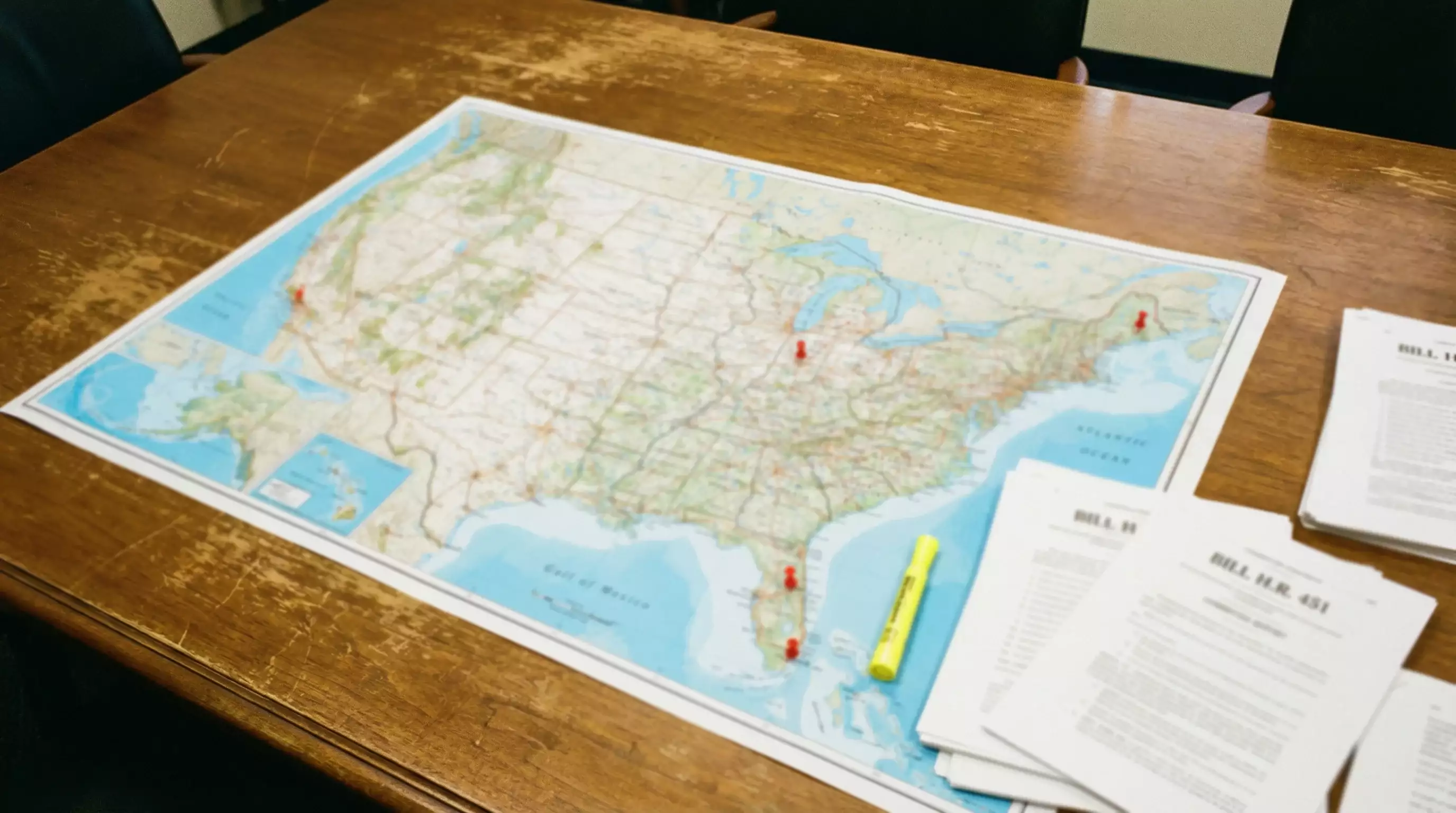
The wave of sweepstakes casino bans that swept through six states in 2025 — California, New York, Connecticut, Montana, New Jersey, and Nevada — did not exhaust the legislative momentum. As of early 2026, at least three additional states have pending legislation that would ban or severely restrict sweepstakes casino operations: Florida, Indiana, and Maine, according to SBC Americas. Other states are watching the outcomes of these bills before deciding whether to introduce their own.
For players, pending legislation creates a window of uncertainty. You can still play today, but the platform you are using might be geo-blocked next month. Understanding which states are moving toward bans, how far along their legislation is, and what the realistic timeline looks like lets you plan accordingly — whether that means redeeming your SC balance preemptively or simply being aware that access is not guaranteed. The next dominoes are lining up, and some of them are close to falling.
Florida: Bill Status and Outlook
Florida’s sweepstakes casino bill is among the most closely watched pending legislation in 2026. The state has a complex gaming landscape — the Seminole Tribe’s gaming compact, the existing pari-mutuel system, and an expanding legal sports betting market all create powerful interests that view sweepstakes casinos as unwelcome competition. A ban in Florida would remove one of the largest remaining state markets for sweepstakes operators.
The bill’s progress through the Florida Legislature has been uneven. Initial committee hearings received bipartisan support, with legislators from both parties expressing concern about the lack of regulatory oversight and tax contributions from sweepstakes platforms. The Seminole Tribe, which holds exclusive gaming rights under its compact with the state, has been a vocal advocate for the ban, arguing that sweepstakes casinos undermine the legal gaming framework that generates significant revenue for Florida.
The timeline for a Florida ban is uncertain. The bill needs to pass through multiple committees and both chambers before reaching the governor’s desk. If it follows the pace of California and New York, final passage could occur in mid-to-late 2026, with an effective date either immediately or at the start of 2027. Players in Florida should monitor the bill’s progress and consider maintaining a low unredeemed SC balance in case the ban arrives with limited notice.
Indiana: HB 1052 and Next Steps
Indiana’s HB 1052 targets sweepstakes casinos through the state’s existing gambling regulatory framework. The bill proposes to classify sweepstakes casino operations as unauthorized gambling, which would bring them under the jurisdiction of the Indiana Gaming Commission and effectively prohibit their current unregulated operating model. The approach differs from the California and New York bans in that it does not create new legislation specifically for sweepstakes — it reinterprets existing law to include them.
The bill has drawn support from Indiana’s established casino industry, which — like regulated gaming operators nationwide — views sweepstakes casinos as competitors that avoid the licensing requirements, tax obligations, and responsible gaming mandates that licensed casinos must follow. Dan Hartman, a senior gaming industry advisor and former director of the Colorado Division of Gaming, has captured this sentiment directly, as reported by iGaming Business: companies pay substantial amounts to get licensed and comply with state regulations, and operators cannot all simply enter through the backdoor.
HB 1052’s prospects are considered strong by legislative observers. Indiana has a history of protecting its regulated gaming industry from perceived encroachment, and the bipartisan support pattern seen in California and New York appears to be replicating in the Indiana Legislature. If the bill passes, it would likely take effect within 90 to 180 days of signing, giving players and operators a relatively short window to adjust.
Maine and Other States on Watch
Maine’s pending legislation takes a different approach from Florida and Indiana. Rather than an outright ban, the Maine bill proposes a regulatory framework that would require sweepstakes casinos to obtain a state license, pay gaming taxes, and comply with responsible gaming standards. If enacted, it would be the first state to regulate sweepstakes casinos rather than simply banning them — a significant departure from the prohibition trend.
The regulatory approach has supporters on both sides of the debate. The SGLA has argued consistently that regulation is preferable to prohibition, and a Maine-style framework would align with that position. However, the proposed licensing requirements and tax rates may be stringent enough that some operators choose to exit the state rather than comply. The details of the final legislation — tax rate, licensing fees, compliance requirements — will determine whether the framework is genuinely regulatory or effectively prohibitive.
Beyond the three states with active bills, several others are in earlier stages of the legislative process. Mississippi passed SB 2510 in 2025, and legislators in states including Ohio, Pennsylvania, and Illinois have introduced or discussed sweepstakes-related measures. Not all of these will advance to a vote, but the volume of legislative activity reflects a national trend that shows no sign of slowing. Each state that passes a ban provides a template and political cover for the next one.
States with established iGaming markets are the most likely candidates for future bans. They have regulated operators who lobby for protection, gaming commissions with enforcement infrastructure, and tax revenue streams they want to preserve. States without legal iGaming face less pressure from incumbent operators but may still act based on consumer protection arguments or alignment with the NCLGS, which has taken a consistently hostile stance toward sweepstakes casinos.
What Pending Bans Mean for Players
If you play sweepstakes casinos in a state with pending legislation, the most important action you can take is to stay informed. Track the bill’s progress through your state legislature’s website or through industry news sources like SBC Americas and iGaming Business. If the bill advances past committee and receives a floor vote, the timeline to passage can accelerate quickly — New York’s SB 5935 went from floor vote to governor’s signature in under two weeks.
Practically, pending bans mean you should avoid accumulating large unredeemed SC balances. Redeem regularly. Do not let thousands of SC sit in your account on the assumption that access will remain available indefinitely. Players in California who procrastinated on redemptions before the January 2026 cutoff lost access to balances they could have cashed out weeks earlier. The risk is real and the warning period may be short.
The broader trajectory is worth internalizing. Eilers & Krejcik Gaming revised their sweepstakes casino net revenue forecast for 2026 downward to approximately $3.6 billion under their base scenario — a 10% decline from 2025 — driven largely by the cumulative impact of state bans, as reported by Sweepsy. The industry is still generating billions, but the growth curve has flattened under regulatory pressure. For players, this means the landscape you are playing in today may look meaningfully different by the end of the year. Plan for that possibility rather than being surprised by it.
States Likely to Ban Sweepstakes Casinos in 2026 — More on this topic at free sweepstakes coins.
See also Sweepstakes Casino Market 2026.